Years of working screen-level UI
Fragments, XML, MVP and several visual generations still delivered accounting and tax behaviour.
Tiger turned recurring product UI into a governed Compose system that teams could adopt while legacy XML screens remained in production.
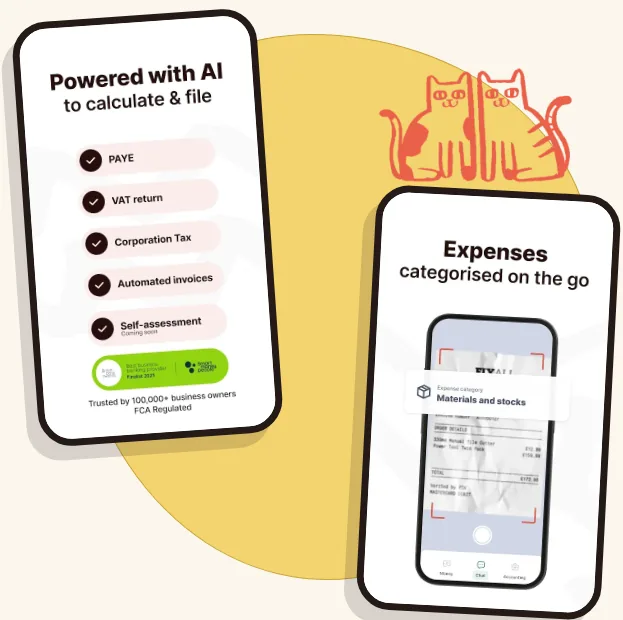
Changing the rendering toolkit without shared semantics would let every feature recreate states, spacing and behaviour differently.
Fragments, XML, MVP and several visual generations still delivered accounting and tax behaviour.
New and changing features needed stable component APIs without waiting for a complete rewrite.
The role combined component implementation, design collaboration and the conventions needed for feature teams to consume the system.
Android Tiger and Flutter Barracuda are separate platform implementations aligned by shared design intent.
Themes, type, icons, spacing and content-description conventions.
Controls, cells, cards, banners, forms, navigation and product variants.
Compose features consume Tiger while untouched XML screens remain available.
The system was designed for a mature application where product delivery could not wait for architectural completion.
Component APIs represent recurring states and intent instead of one screen composition.
Fragment-compatible Compose entry points let teams migrate for product reasons, not framework deadlines.
A component succeeds only when product engineers can apply it consistently.
Reusable instrumentation and visual coverage reduce cross-feature regressions.
Do not present Android Tiger and Flutter Barracuda as one shared codebase.
Public visuals show product breadth; they do not claim individual authorship of every displayed screen.
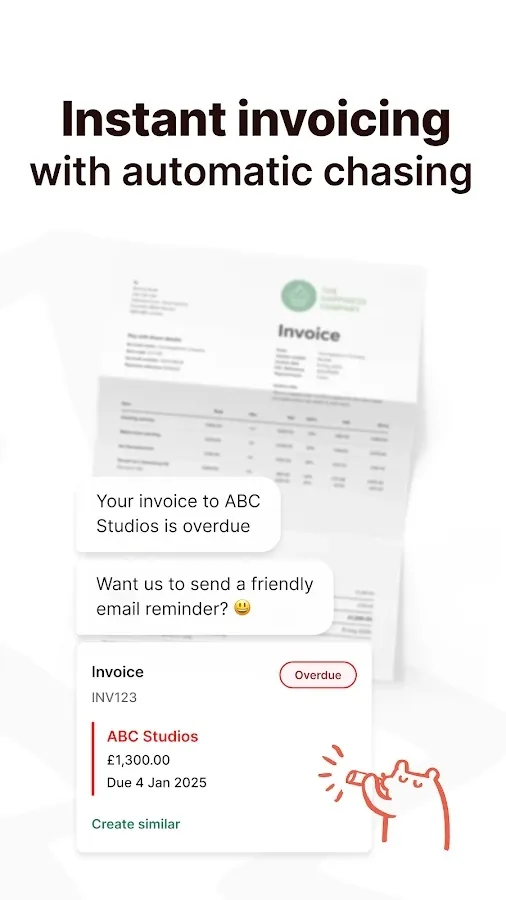
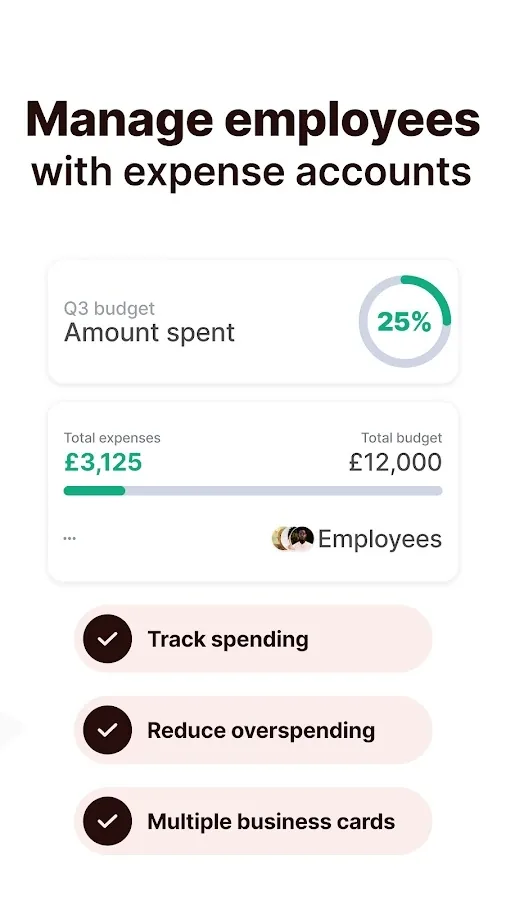
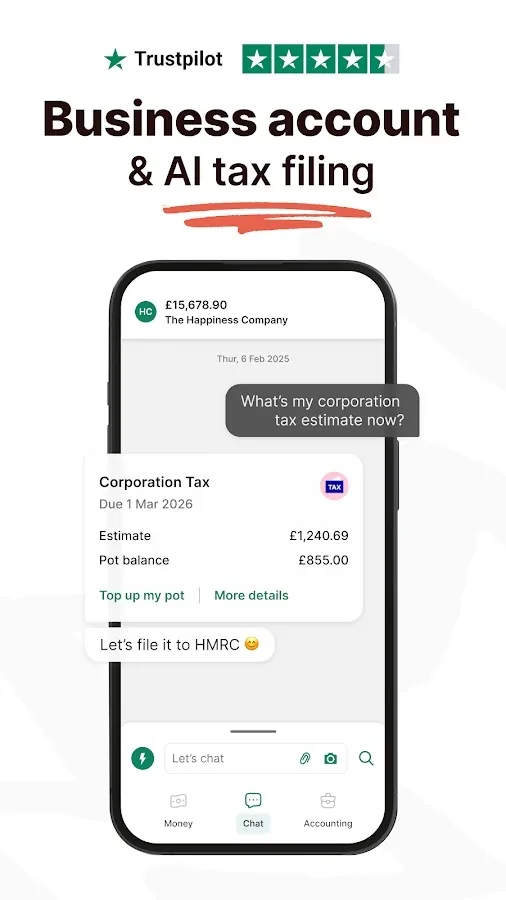
Android engineers adopted the patterns, templates, and utilities for new work while legacy XML screens remained available.
Shared semantics become stable engineering APIs.
New work can use Compose/Tiger while legacy screens remain production-safe.
Personal implementation, review, and adoption guidance are separated from team-owned product delivery.
Target role · Staff Mobile Engineer (Android + Flutter)
Worldwide remote · English / Russian
Novi Sad, Serbia · hybrid possible