A rewrite would expand risk
A wholesale replacement would duplicate authentication, navigation and platform behaviour while delaying product work.
A production add-to-app migration that embedded Flutter chat, accounting and tax experiences without replacing mature native accounting capabilities.
The product needed to move selected surfaces without duplicating mature accounting capabilities or freezing delivery.
A wholesale replacement would duplicate authentication, navigation and platform behaviour while delaying product work.
Flutter needed to own selected features while Android remained authoritative for platform and accounting services.
Earlier experiments predated this work. The defensible scope is the later production integration and migration mechanism.
The architecture preserves native guarantees while letting Flutter features evolve behind a stable host contract.
Creates engines and screens, owns services, and remains the containing application.
Requests, navigation, lifecycle and actions cross a typed interoperability layer.
Owns selected UI and state, then calls the host at platform boundaries.
Each decision reduces migration coupling and preserves a rollback path.
Use an embeddable production module instead of creating a separate replacement application.
Use FlutterEngineGroup and one host integration layer rather than letting screens create ad hoc engines.
Delegate authentication, files, analytics and native actions instead of duplicating platform behaviour.
Move one surface at a time and retain native fallback paths.
Bloc and MobX coexist; chat uses an explicit intent/state/effect model.
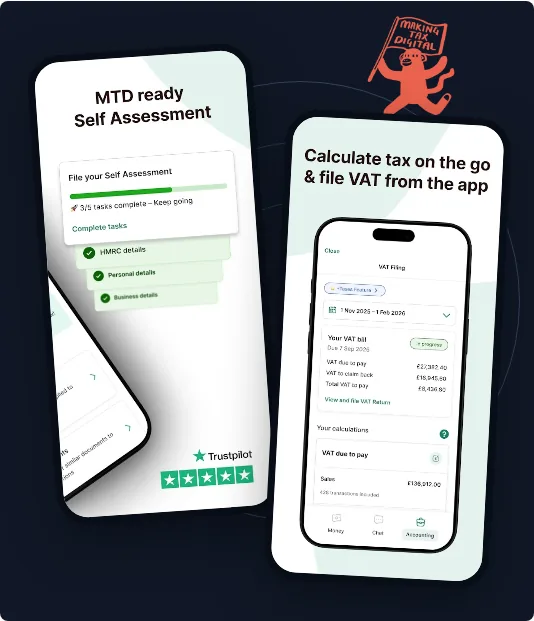
Public store visuals establish the accounting and tax domain; the technical narrative stays within NDA boundaries.
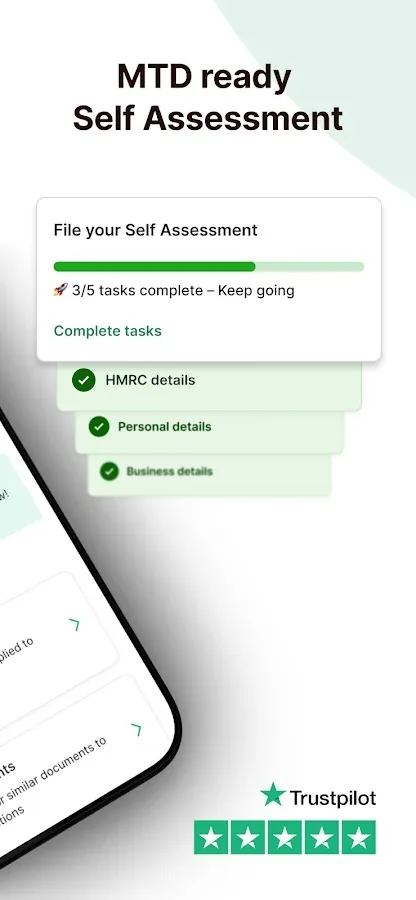
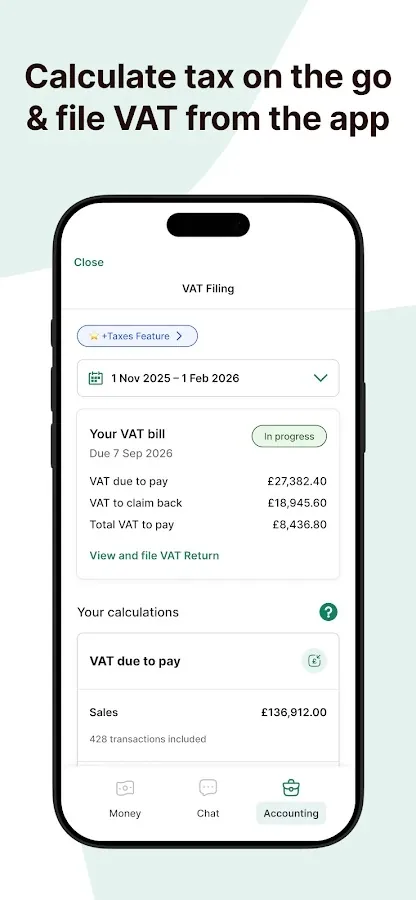
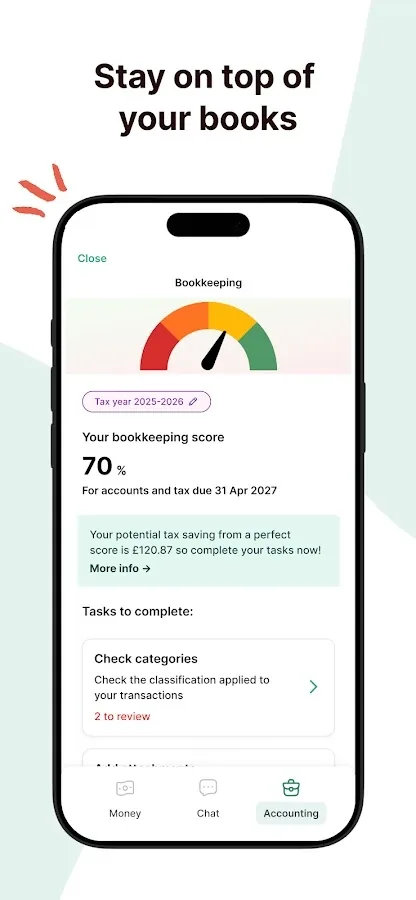
The team migrated chat to Flutter and launched a closed test. Other engineers then delivered additional Flutter features using the established platform patterns.
Native ownership of accounting, security, routing and platform services.
Independent Flutter delivery for chat, accounting and tax experiences.
Android integration and host responsibilities are described without claiming unverified iOS implementation details.
Target role · Staff Mobile Engineer (Android + Flutter)
Worldwide remote · English / Russian
Novi Sad, Serbia · hybrid possible